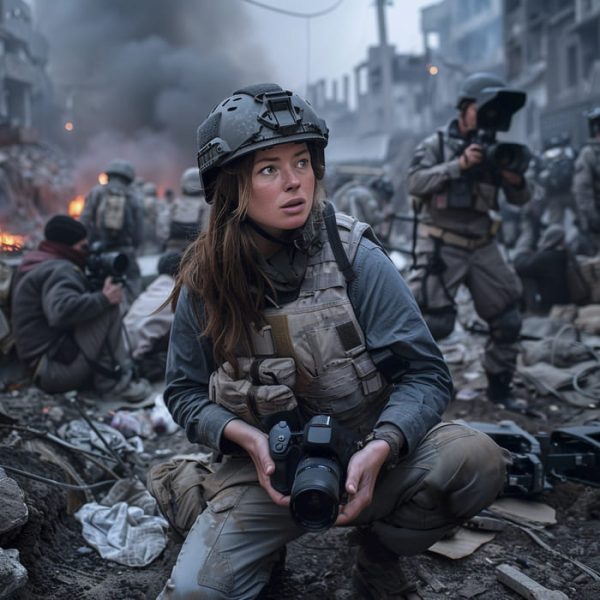
A community group records a short film in which an elderly woman speaks about her experience of war and injustice. She talks in her native language and she speaks slowly. The room goes quiet. Viewers nearby feel the weight of every pause. The group wants the film to reach schools and museums in other countries so they add automatic captions and post the video online. Within days a teacher writes that the English captions turn a painful memory into nonsense. A single mistranslated line has changed the meaning of her words. The group never meant to harm her and still it did.
Stories like this show why memory work depends on language. Testimony is fragile. A survivor chooses each word with care because the words are all that remains of the event. When captions or summaries distort those words the listener receives a different story. The harm is quiet but real. Families and teachers who rely on the film inherit the error and repeat it.
Film and video now carry much of the world's remembrance. Documentaries and interviews and exhibition clips travel faster than any book. They also cross borders without effort. The only barrier left is language. A well made subtitle track can open a film to millions of viewers who would never otherwise hear the voice on screen. That reach is a gift to any group that works for memory and justice.
Many small organizations lack the budget for a full production team. They record on a phone and edit in a free tool and hope that automatic captions will do the rest. Hope is not a method. Speech tools struggle with accents and emotion and with the silence that often carries meaning. A human reader has to check the result. Even a short review by a native speaker prevents most of the worst errors.
The sections below explain how groups that work on remembrance and human rights can plan subtitles that respect the speaker. They cover preparation and translation and review and sharing so that every viewer receives the story as it was told.
Why Subtitles Deserve Careful Work
Professional subtitling services follow a clear sequence. A transcriber writes down what is said and a translator turns it into the target language. A specialist then times each line so it appears and disappears with the speech. Every step is reviewed so errors are caught before the film is released. This sequence matters most for testimony where tone and timing carry meaning. A pause that is cut short can change how a listener feels about a sentence.
Good subtitles also follow reading limits. A viewer can only read so many characters per second. Lines that are too long force the viewer to choose between reading and watching the speaker. Translators therefore shorten and rephrase while keeping the sense. This is a craft skill and it is hard to automate well. Experienced subtitlers also decide when to leave a silence unfilled because the silence is part of the story.
Preparing a Testimony for Translation
Preparation saves time and protects accuracy. Start with a clean recording and a written transcript in the original language. Ask the speaker or a trusted relative to confirm names and places and dates. Note any local words or sayings that need an explanation for foreign viewers. Share these notes with the translator before the work begins. A short call with the translator often clears up questions that would take days by email.
Subtitle translation also needs a clear policy on sensitive terms. Some words carry a heavy history and cannot be swapped for a convenient synonym. Agree on the wording with people who know the subject. Record the decision in a short glossary so every language version follows it. Consent matters too. Make sure the speaker agrees to the languages and platforms where the film will appear. Keep a written record of that consent with the project files.
Learning From Mistakes and Trusted Sources
Large streaming platforms have faced criticism when subtitles failed to match the spoken line. Our article on Netflix subtitle errors shows how small slips change the meaning of a scene. Smaller groups can learn from these cases and avoid the same traps. Human rights organizations also publish careful guidance on how to speak about victims and survivors. Amnesty International shares reports and campaign material that model respectful language. Use such material as a guide for tone and not as a source to copy.
Independent research adds another layer of context. Human Rights Watch publishes investigations and background papers on rights issues around the world. Reading them helps translators and editors understand the terms used in international reporting. Always check that the vocabulary you choose matches the standard in each target language because usage can differ between regions. A native reviewer can settle most doubts in a short session.
Sharing the Film Responsibly
Plan the release in stages. Start with the languages your audience needs most and add others as resources allow. Offer subtitles as a separate file when the platform allows it so viewers can switch tracks and so that accessibility tools can read it. Add a short note that names the translator and the reviewer. This gives credit and builds trust. It also tells viewers that a person stands behind every line.
Prepare a short guide for teachers and event hosts. Explain the context of the testimony and the meaning of difficult terms. Suggest questions for discussion that treat the speaker with dignity. A good guide turns a film into a lesson that lasts beyond the screening. Keep the guide short so busy teachers actually use it.
Remembrance depends on being heard. When a survivor's words arrive in another language without damage they gain new listeners and new allies. Careful subtitles are one of the simplest ways to make that happen. They honor the speaker and they keep the memory alive for the next generation.